Urinalysis: What the Test Shows and Why It Matters for an Athlete
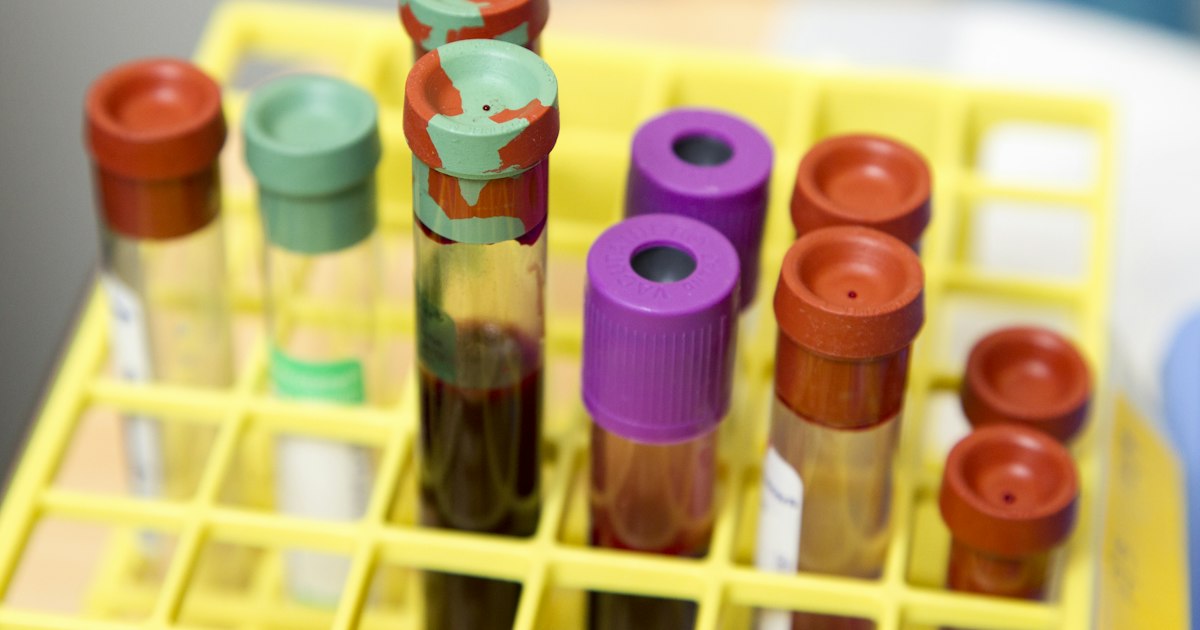
A urinalysis is one of the simplest and cheapest laboratory tests, yet it provides a surprising amount of information: about hydration, kidney function, carbohydrate metabolism, inflammatory processes in the urinary tract and even muscle damage. For an athlete it is important to know that training itself changes the composition of urine, and without accounting for this it is easy to draw the wrong conclusions. The editorial team explains what the test consists of and how to use it.
What a urinalysis consists of
A urinalysis includes three parts: physical assessment, chemical examination and microscopy of the sediment. Modern laboratories perform them mostly on automatic analyzers, but the principle has remained unchanged for decades.
The physical part is the color, clarity and specific gravity (relative density) of the urine. Specific gravity reflects the concentrating ability of the kidneys and, for a healthy person, primarily the level of hydration.
The chemical part is performed using test strips with reagent zones. They determine pH, protein, glucose, ketones, blood (hemoglobin and myoglobin), bilirubin, urobilinogen, nitrites and leukocyte esterase.
Microscopy of the sediment reveals cells — erythrocytes, leukocytes, epithelium, as well as casts, crystals and bacteria. It is precisely microscopy that allows one to distinguish, for example, true blood in the urine from myoglobin, which gives a positive reaction on the strip without erythrocytes.
The main parameters and their reference ranges
Below are typical reference ranges for a healthy adult. The exact references depend on the laboratory and the method, and individual parameters are interpreted only together with others.
| Parameter | Typical reference | What a deviation may mean |
|---|---|---|
| Color | Straw-yellow | Dark — concentrated urine; red/brown — blood, myoglobin, dietary pigments |
| Specific gravity | Approximately 1.005–1.030 | High — dehydration; persistently low — excessive drinking or impaired concentration |
| pH | Approximately 4.5–8 | Depends on the diet: meat acidifies, plant food alkalizes |
| Protein | Negative or traces | Exertion, fever, kidney damage |
| Glucose | Negative | High blood sugar, less often — renal causes |
| Ketones | Negative | Low-carbohydrate diet, fasting, decompensated diabetes |
| Blood (strip) | Negative | Erythrocytes, hemoglobin or myoglobin |
| Nitrites, leukocytes | Negative | Probable urinary tract infection |
Urine specific gravity is of particular importance for athletes. The ACSM position statement on hydration and studies by Armstrong and colleagues consider a specific gravity up to about 1.020 as a sign of adequate hydration, and higher values as a probable sign of fluid deficit.
Urine color is a simple home reference that correlates well with its concentration. However, B-group vitamins, especially riboflavin, color urine bright yellow regardless of hydration, and some foods (beetroot, blackberries) color it pink.

How training changes urine
Intense physical exertion temporarily redistributes blood flow from the kidneys to the muscles, changes the permeability of the glomerular filter and reabsorption in the tubules. As a result, after training, protein, erythrocytes and casts may appear in the urine.
Post-exertional proteinuria is described in the classic reviews by Poortmans and other authors. It depends more on the intensity than on the duration of the exertion, and usually disappears within 24–48 hours.
Hematuria after exertion also occurs often, especially in long-distance runners. It is associated with microtrauma of the bladder mucosa, changes in kidney blood flow and the destruction of erythrocytes during foot strikes. As a rule, it passes within a few days.
After very heavy or unaccustomed exertion, myoglobin — a protein of damaged muscle fibers — may appear in the urine. The strip then shows «blood», while microscopy finds no erythrocytes. This is a signal of possible rhabdomyolysis, which requires medical evaluation.
- protein — temporarily after intense training;
- erythrocytes — after running, contact sports;
- high specific gravity — with insufficient drinking;
- ketones — on a low-carbohydrate diet or during prolonged fasting;
- myoglobin — after excessive muscle damage.
Why an athlete needs a urinalysis
The first practical application is hydration control. The specific gravity and color of morning urine help assess whether the athlete is getting enough fluid, especially during periods of training in the heat or during weight loss before competitions.
The second is early detection of kidney problems. Persistent proteinuria or hematuria at rest, without prior exertion, may be the first sign of kidney disease. To assess albuminuria, KDIGO recommends the albumin/creatinine ratio in a single portion of urine.
The third is metabolism. Glucose in the urine may indicate uncontrolled high blood sugar, and ketones — a pronounced deficit of carbohydrates or energy. For athletes on ketogenic diets, ketones are expected, but their level should be assessed in the context of well-being.
The fourth is urinary tract infections, which occur more often in women and can reduce performance. Nitrites and leukocyte esterase together with symptoms make it possible to suspect an infection, and a urine culture — to confirm it.
How to collect urine correctly
For a general urinalysis, the first morning portion of urine is usually used, because it is the most concentrated and standardized. A midstream portion is collected after hygiene procedures into a sterile container, which is delivered to the laboratory within a few hours.
The most important rule for an athlete is not to train intensively for 24–48 hours before the test. Otherwise, protein, erythrocytes and casts may appear in the urine, prompting a search for a nonexistent disease.
Women are not advised to take the test during menstruation, and if necessary should inform the laboratory. It is also worth avoiding foods that color the urine the day before, and informing the doctor about vitamins, supplements and medications.
If a deviation is found in the test, it is usually repeated after a few days of rest. The persistence of changes is the key criterion that distinguishes a normal response to exertion from pathology.
Editorial conclusions
A urinalysis is a simple but informative tool for an athlete. It helps control hydration, notice early signs of kidney damage, metabolic disorders and infections.
At the same time, training itself changes the composition of urine: protein, erythrocytes, casts and high specific gravity after exertion are often a normal reaction. Proper preparation and a repeat test at rest are the key to correct interpretation.
The editorial team also recommends materials on the causes of deviations in a urinalysis, on the glomerular filtration rate in athletes and on hydration during training.
References
- Simerville JA, Maxted WC, Pahira JJ. Urinalysis: a comprehensive review. Am Fam Physician. 2005;71(6):1153–1162.
- Kouri T, Fogazzi G, Gant V, et al. European Urinalysis Guidelines. Scand J Clin Lab Invest Suppl. 2000;231:1–86.
- Armstrong LE, Maresh CM, Castellani JW, et al. Urinary indices of hydration status. Int J Sport Nutr. 1994;4(3):265–279.
- Sawka MN, Burke LM, Eichner ER, et al. American College of Sports Medicine position stand. Exercise and fluid replacement. Med Sci Sports Exerc. 2007;39(2):377–390.
- Poortmans JR. Exercise and renal function. Sports Med. 1984;1(2):125–153.
- Bellinghieri G, Savica V, Santoro D. Renal alterations during exercise. J Ren Nutr. 2008;18(1):158–164.
- Barocas DA, Boorjian SA, Alvarez RD, et al. Microhematuria: AUA/SUFU guideline. J Urol. 2020;204(4):778–786.
- Kidney Disease: Improving Global Outcomes (KDIGO) CKD Work Group. KDIGO 2024 Clinical Practice Guideline for the Evaluation and Management of Chronic Kidney Disease. Kidney Int. 2024;105(4S):S117–S314.
Andriy Melnyk
A strength-sports coach and author of programs for beginner and intermediate levels. Writes about training planning.